
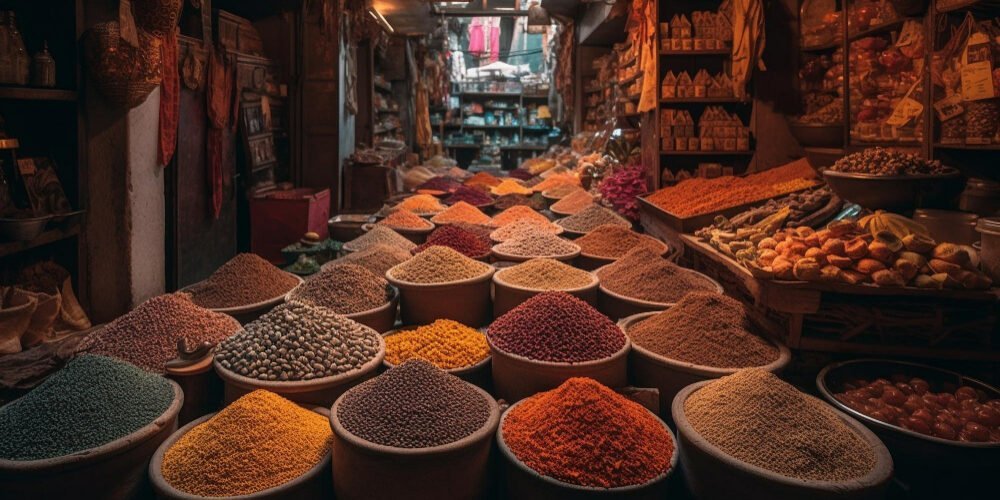
Morocco is known for its vibrant culture, stunning architecture, and of course, its spices. Moroccan spices are a unique blend of flavors that create a distinct taste that is sure to please any palate. In this guide, we will explore the history and culture of Moroccan spices, the most popular spices used in Moroccan cuisine, and how to use them in your own cooking.
The History and Culture of Moroccan Spices
Moroccan cuisine is a fusion of Berber, Arab, and Mediterranean cultures. The use of spices in Moroccan cuisine dates back to the 9th century when Arabs brought a variety of spices to Morocco, including cumin, coriander, and saffron. Spices were not only used for their flavor but also for their medicinal properties. Today, Moroccan spices are an integral part of the country’s culture, and they are used in traditional dishes such as tagine and harira.
The Most Popular Moroccan Spices
Moroccan spices are a blend of savory, sweet, and earthy flavors. Here are some of the most popular Moroccan spices and their uses:
1. Cumin
Cumin is a staple in Moroccan cuisine and is used in dishes such as tagine, couscous, and harira. It has a warm, earthy flavor and is also believed to aid in digestion.
2. Coriander
Coriander is another popular spice in Moroccan cooking. It has a citrusy, slightly sweet flavor and is used in tagines, marinades, and couscous.
3. Paprika
Paprika is used to add a sweet and smoky flavor to Moroccan dishes. It is often used in spice blends such as Ras El Hanout and is also used to season meat and vegetables.
4. Ginger
Ginger is used in both sweet and savory dishes in Moroccan cuisine. It has a spicy and slightly sweet flavor and is used in tagines, marinades, and desserts.
5. Saffron
Saffron is a prized spice in Moroccan cuisine due to its distinct flavor and high cost. It is used in dishes such as paella, tagines, and couscous and adds a unique floral and earthy flavor.
How to Use Moroccan Spices
Moroccan spices are versatile and can be used in a variety of dishes. Here are some tips for using Moroccan spices in your cooking:
1. Use a Spice Blend
Moroccan spice blends such as Ras El Hanout and Baharat are a great way to incorporate multiple spices into your dish. These blends often include cinnamon, cumin, coriander, ginger, and other spices, and can be used to season meat, vegetables, and rice.
2. Use Spices in Marinades
Marinating meat or vegetables in a mixture of Moroccan spices, lemon juice, and olive oil can add a depth of flavor to your dish. This is particularly effective for grilling or roasting.
3. Add Spices to Soups and Stews
Moroccan soups and stews, such as harira and tagine, are often seasoned with a blend of spices. Adding spices such as cumin, coriander, and paprika to your soups and stews can elevate the flavor.
4. Use Spices in Desserts
Moroccan desserts such as honey and almond pastries are often flavored with spices such as cinnamon and cardamom. Adding these spices to your desserts can add a unique and exotic flavor.
Last but not least
Moroccan spices are an essential component of the country’s rich culinary culture. Their unique blend of flavors can add depth and complexity to any dish.
Whether you are a seasoned chef or just starting to experiment with different spices, Moroccan spices are a great addition to any kitchen. Their versatility and unique flavor profiles make them perfect for a wide range of dishes, from soups and stews to meat and vegetable dishes.
Incorporating Moroccan spices into your cooking is also a great way to explore and appreciate different cultures. It allows you to experience the rich culinary traditions of Morocco and appreciate the depth and complexity of their cuisine.
So the next time you’re looking to add some flavor to your dishes, consider using Moroccan spices. Your taste buds (and guests) will thank you.
FAQs
Ras El Hanout is a popular Moroccan spice blend that typically contains over 20 different spices, including cinnamon, cumin, coriander, and ginger.
While you can substitute some Moroccan spices with similar spices, such as cumin or paprika, the unique flavor profiles of Moroccan spices are difficult to replicate.
Moroccan spices should be stored in airtight containers in a cool, dry place away from sunlight to maintain their flavor and freshness.
Some common Moroccan dishes that use spices include tagine, harira, couscous, and pastries.
Moroccan spices, such as cumin and ginger, have been shown to aid in digestion and have anti-inflammatory properties. Saffron is also believed to have mood-boosting and antidepressant effects.