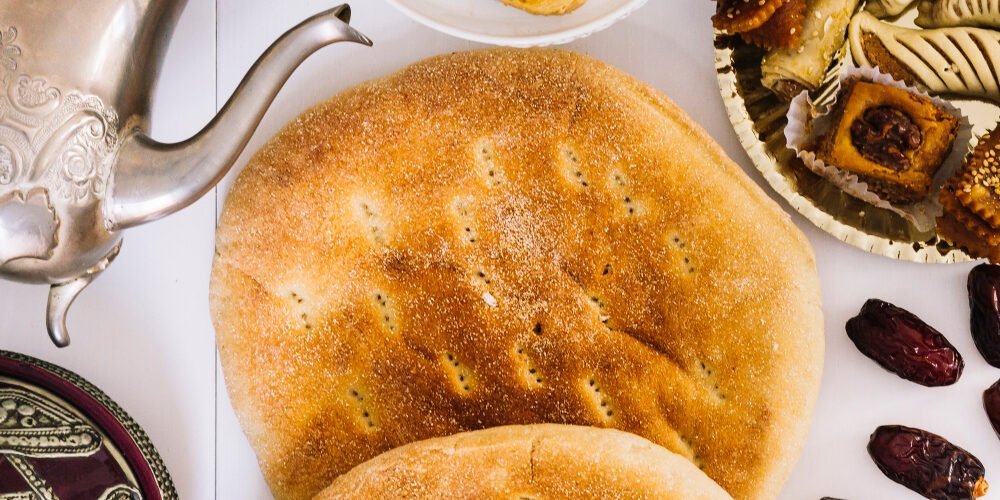
Morocco is a country that has a rich culinary tradition, and its bread is no exception. Moroccan bread, or khobz, is a staple food in Moroccan cuisine and is enjoyed with almost every meal. This article takes you on a journey through the land of spices and flavors, exploring the history, types, ingredients, and methods of making Moroccan bread.
History of Moroccan Bread
Moroccan bread has a long history that dates back to the Berber tribes that inhabited Morocco before the arrival of Arabs. The Berbers used to make a type of bread called ksra, which is still popular in Morocco today. The Arabs brought with them new techniques and ingredients, such as wheat, which enabled the creation of new types of bread.
Moroccan bread has since evolved to become a staple food in Moroccan cuisine, and every region has its own unique way of making bread. It is also an important cultural symbol in Morocco, often used in celebrations and ceremonies.
Types of Moroccan Bread
Khobz
Khobz is the most popular type of Moroccan bread and is a round, flatbread that is cooked in a traditional oven called a tabouna. It is made with a mixture of white and whole wheat flour, yeast, water, and salt. Khobz is typically served with tagines, stews, and soups.
Batbout
Batbout is a small, round bread that is soft and fluffy. It is made with semolina flour, yeast, water, and salt. Batbout is usually served as a sandwich or a snack and can be filled with various ingredients, such as meat, vegetables, and cheese.
Msemen
Msemen is a square-shaped bread that is similar to a pancake. It is made with flour, semolina, yeast, water, salt, and oil. Msemen is usually eaten for breakfast with honey or jam.
Rghaif
Rghaif is a round, flaky bread that is similar to a croissant. It is made with flour, semolina, yeast, water, salt, and butter. Rghaif is typically served with jam or cheese.
Harcha
Harcha is a small, circular bread that is crispy on the outside and soft on the inside. It is made with semolina, butter, sugar, salt, and milk. Harcha is typically served for breakfast with honey or jam.
Baghrir
Baghrir, also known as Moroccan pancakes, is a type of bread that is spongy and has small holes on the surface. It is made with flour, semolina, yeast, water, salt, and baking powder. Baghrir is usually served with honey or syrup.
Meloui
Meloui is a circular bread that is crispy on the outside and soft on the inside. It is made with flour, semolina, yeast and butter. Meloui is usually served with honey or olive oil.
Kesra
Kesra is a type of bread that is native to the northern region of Morocco. It is made with flour, semolina, yeast, water, salt, and olive oil. Kesra is typically served with tea or as an accompaniment to main dishes.
Anise Bread
Anise bread is a sweet bread that is made with anise seeds, flour, sugar, yeast, eggs, and butter. It is typically served as a dessert or a snack.
Ingredients Used in Moroccan Bread
Moroccan bread is made with a variety of ingredients, depending on the type of bread. Some of the common ingredients used include:
- Flour: Both white and whole wheat flour are used in Moroccan bread.
- Semolina: Semolina is used in many types of Moroccan bread, giving them a unique texture.
- Yeast: Yeast is used to help the bread rise and become fluffy.
- Water: Water is used to mix the dough and hydrate the flour.
- Salt: Salt is used to enhance the flavor of the bread.
- Olive oil or butter: Olive oil or butter is used to add flavor and moisture to the bread.
- Anise seeds: Anise seeds are used in anise bread, giving it a unique flavor.
- Sugar: Sugar is used in some types of bread, such as anise bread, to add sweetness.
The Making of Moroccan Bread
The process of making Moroccan bread varies depending on the type of bread. However, there are some common steps that are followed in most bread-making processes.
The Dough
The first step in making Moroccan bread is to make the dough. The ingredients are mixed together in a large bowl until a sticky dough is formed.
Kneading the Dough
The dough is then kneaded on a floured surface until it becomes smooth and elastic. This helps to activate the gluten in the flour, which gives the bread its structure.
Resting the Dough
The dough is then left to rest for a period of time, usually between 30 minutes to an hour. This allows the yeast to activate and the dough to rise.
Baking the Bread
The bread is then baked in a traditional oven called a tabouna, which is a wood-fired oven. The bread is placed directly on the oven’s surface and is baked until it is golden brown and crispy.
Serving and Enjoying Moroccan Bread
Moroccan bread is typically served with a variety of dishes, including tagines, stews, soups, and salads. It is also often served with tea and other beverages.
To enjoy Moroccan bread, tear off a piece with your hands and use it to scoop up the main dish. Alternatively, it can be used as a sandwich bread or served as a snack with honey or jam.
Last but not least
Moroccan bread is an essential part of Moroccan cuisine and culture. With its unique flavors and textures, it is enjoyed by locals and visitors alike. From khobz to anise bread, there are many types of Moroccan bread to try and savor.
FAQs
No, most Moroccan bread is made with wheat flour and is not gluten-free.
Yes, you can make Moroccan bread at home using a few simple ingredients and techniques.
Khobz is the best type of Moroccan bread to serve with tagines.
Most types of Moroccan bread are vegan, but it’s always best to check the ingredients.
Moroccan bread is best stored in an airtight container at room temperature. It can also be frozen for later use.
In conclusion, Moroccan bread is a staple in Moroccan cuisine and culture, with a wide variety of types to try and savor. From the simple khobz to the sweet anise bread, each type has its unique flavor and texture. Whether you enjoy it with tea, as an accompaniment to main dishes, or as a snack, Moroccan bread is a delicious and essential part of Moroccan culinary heritage.